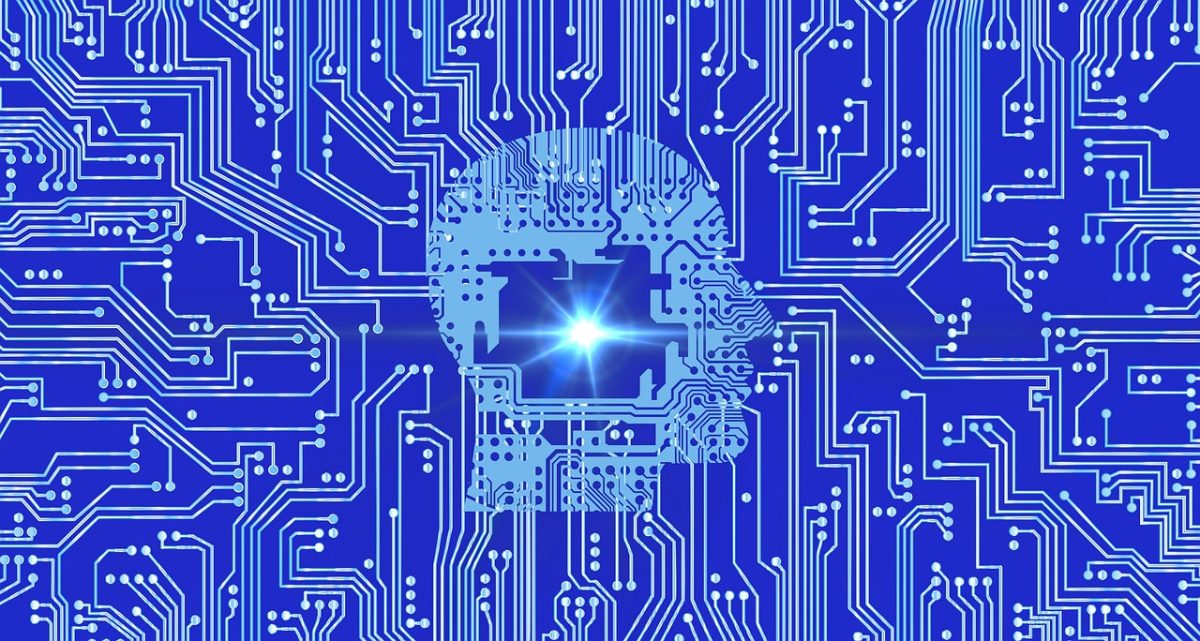
Artificial intelligence has been rapidly growing, especially in the art world. Many websites compose AI programs to create music, images and designs in seconds. While some may think AI is a useful tool, others worry that it could replace human creativity.
How do AI art generators work?
According to Adobe, AI art generators work by gathering and analyzing a database of artwork, then learning the patterns such as shape, color and style. The user types in a detailed prompt, and in a few seconds, new artwork is presented. Because of this, many people who don’t have an art background could create a piece from scratch.
For centuries, art has been infused with the artist’s personal experience and wild creativity. Will AI push a new century of art?
Now, Ai-Da, the world’s first humanoid robot artist, is challenging what people think art can be. Ai-Da can draw and paint using robotic arms, cameras in her eyes, and artificial intelligence that analyzes what she sees. Some believe Ai-Da is a unique creation and a representation of future art, as it generates ideas fast and experiments with different styles. This can make creating more accessible without needing much technical training.
However, others worry that AI will steal traditional art attention from human artists. Traditional artists have been closely associated with culture and society. According to the BBC, AI-generated artwork is based on patterns and data rather than emotion, meaning it may lack the personal meaning that human-made art often carries.
“AI can be useful, but it can’t replace the process of learning how to draw, paint, or design. Art is about expression and personal experience,” said Upper School art teacher Mrs. Steele.
She also believes AI may become part of the future of art.
“Nowadays, more and more designs are generated by AI, but there are still some errors from AI. For example, sometimes you can see a dog with a missing leg.”
Some people believe it will make creativity more accessible to everyone, while others fear it could reduce the value of human artists.
Just like how photography and digital design once changed the definition of art, AI may open the door to a new era of creativity. Alongside, it’s important to leave room for the human imagination, as that has always been at the heart of artistic expression.